Australia banned the manufacture, import and use of asbestos more than two decades ago. But asbestos itself did not disappear.
Millions of tonnes remain within Australia’s built environment, incorporated into the roofs, walls, and other products of buildings constructed decades ago. The Asbestos and Silica Safety and Eradication Agency estimates that around 6 million tonnes of ageing asbestos material remains, with asbestos cement products accounting for approximately 95 per cent of remaining asbestos-containing material.
Now, age itself is becoming part of the challenge.
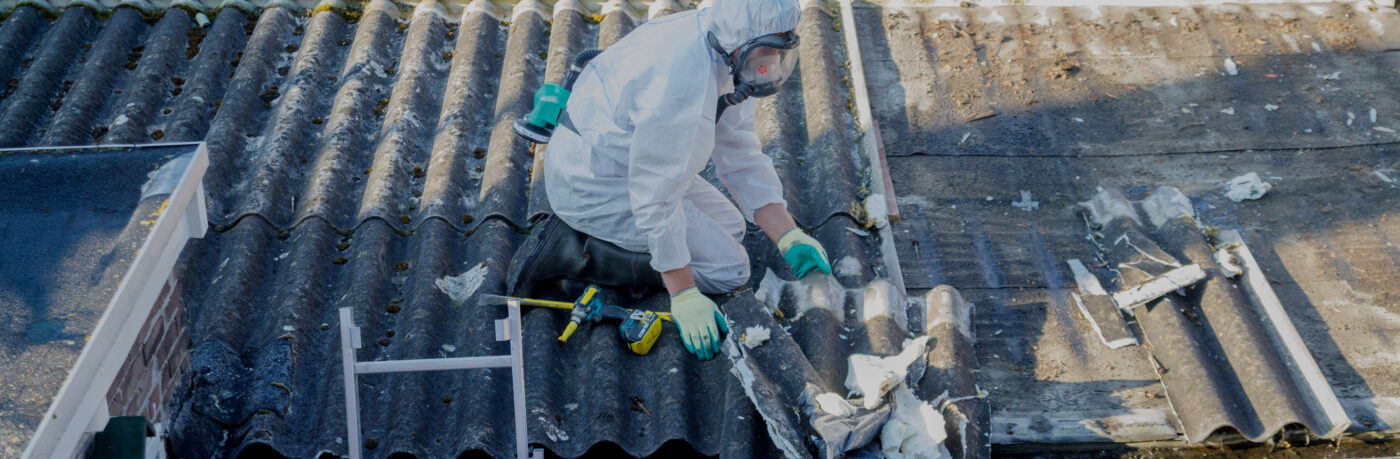
Asbestos cement products in Australian buildings have either passed or are approaching the end of their product life. Long-term exposure to weather, disturbance and inadequate maintenance can weaken originally bonded materials, while fire, floods, cyclones, and hail can further damage asbestos-containing materials and increase the potential for fibres to be released.
This changes the asbestos conversation.
Historically, much of Australia’s approach has centred on identifying asbestos and safely managing it where it remains in place. The current Asbestos National Strategic Plan 2024–2030 places increased emphasis on safe, proactive removal and disposal, supported by measures including enhanced regulatory frameworks and incentive programs.
Accurate identification remains fundamental. The Australian Government’s Asbestos Product Guide provides visual information to help recognise potential asbestos-containing materials, but stresses that visual identification alone cannot provide confirmation. The only way to confirm whether a material contains asbestos is for a sample to be tested by a NATA-accredited laboratory.
This becomes particularly important during maintenance, refurbishment, and demolition, when previously undisturbed asbestos-containing materials may be encountered. Safe Work Australia notes that these activities can disturb asbestos fibres and create risks to workers, neighbouring businesses, and the community.
Australia’s asbestos challenge is therefore entering a new stage. The question is increasingly not simply where asbestos remains, but what happens as the materials containing it continue to age.
For more information, contact NATA on 1800 621 666