Most people rarely think about testing unless something goes wrong. Yet behind the products we use, the services we rely on and the environments we move through sits a vast network of accredited testing that quietly ensures safety, fairness and reliability. Some of these tests are familiar, but many are surprising. Together, they reveal how deeply testing is embedded in everyday life.
In forensic science, accreditation goes far beyond laboratory analysis. Forensic specialists are assessed not only on their technical knowledge but also on their ability to clearly and objectively present evidence in court. This can include participation in formal “moots”, legal training exercises that simulate courtroom proceedings. Within the laboratory, paint analysis compares chemical and physical properties to narrow potential sources. Bloodstain pattern analysis examines droplet size, shape and distribution to help reconstruct events, while ballistics and firearm residue testing involve fragments so tiny they are barely visible but still provide critical evidence.
Accredited testing also plays a surprising role in industries such as gaming. Gaming machines are assessed for their electrical and mechanical components, software integrity and screen layouts to ensure that essential information such as credits, bets and wins is clearly displayed. Random number generators, a key component of fair play, are repeatedly tested to confirm outcomes are genuinely random and that advertised odds are accurate.
Everyday products are tested in unexpected ways. Toilet flushing performance is assessed using a standardised solid discharge, confirming effective waste removal and water efficiency. Face masks are tested for resistance to synthetic blood under controlled conditions, simulating high-velocity splashes in clinical settings. Mattresses are assessed for firmness and durability using a mechanical device that applies repeated pressure to different zones, while spa baths are tested with a “ponytail test” to ensure drainage systems safely handle hair without entrapment risk.
Human pathology testing remains a critical component of accredited work. Laboratories identify parasites such as schistosomiasis through faecal or urine samples, and malaria is diagnosed through painstaking examination of thick and thin blood films under microscopes. Occasionally, scabies mites are also sent to labs for identification, highlighting the wide variety of specimens handled under accredited systems.
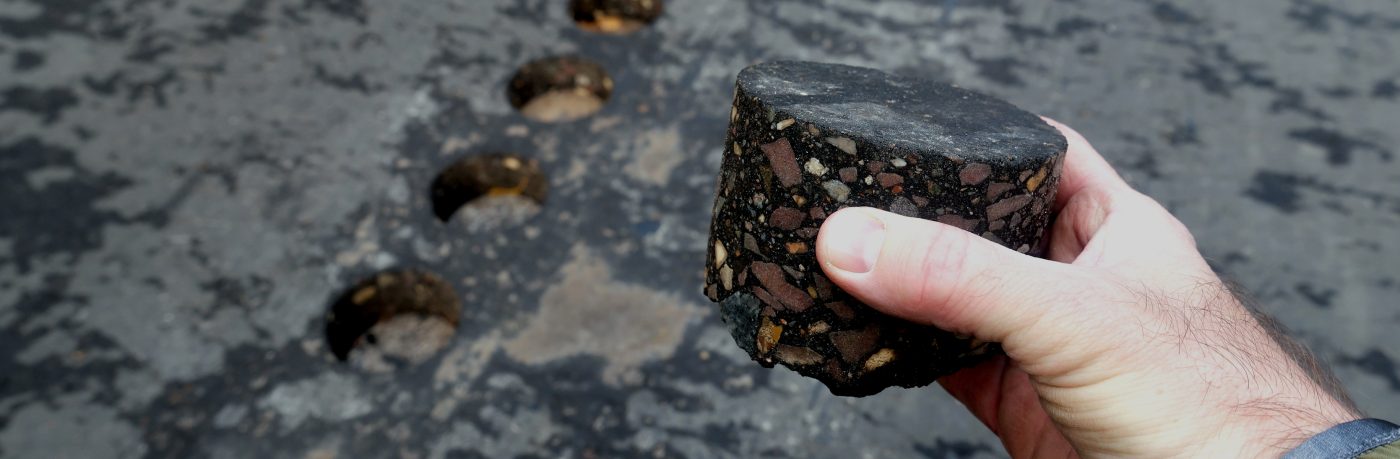
Cybersecurity has also become an area of focus, with software and hardware systems assessed for potential vulnerabilities, particularly in government applications. Public infrastructure is tested as well, with artificial sports surfaces evaluated to international standards for shock absorption, ball roll and surface resistance, while playground surfaces are assessed to reduce injury from falls. Asphalt used on roads and airport runways undergoes extensive testing against national and aviation standards, and optometry equipment is calibrated to ensure lenses and sunglasses meet optical and safety requirements.
Sustainability and consumer products are also carefully assessed. Disposable plates labelled as biodegradable must be tested to confirm environmental claims. Condoms and femidoms are tested for strength, burst pressure, leakage and other performance characteristics. Food and beverages, from fresh produce and meat to grains and carbonated drinks, are tested to meet the Australia New Zealand Food Standards Code, ensuring what reaches the plate is safe and compliant.
Collectively, these examples demonstrate how accreditation quietly supports everyday life. Roads, public spaces, consumer products, healthcare items and food all rely on accredited testing to meet defined standards and manage risk. Many of these tests operate behind the scenes, but their impact is felt every day, providing confidence that standards are being met.
These insights were recently highlighted in a presentation at Accreditation Matters 2025, showcasing the diverse and sometimes unexpected work carried out across NATA’s accredited laboratories and assessment programs. The session reinforced a simple truth: while many tests go unnoticed, their contribution to safety, quality and trust is immense, confirming that accreditation truly matters.