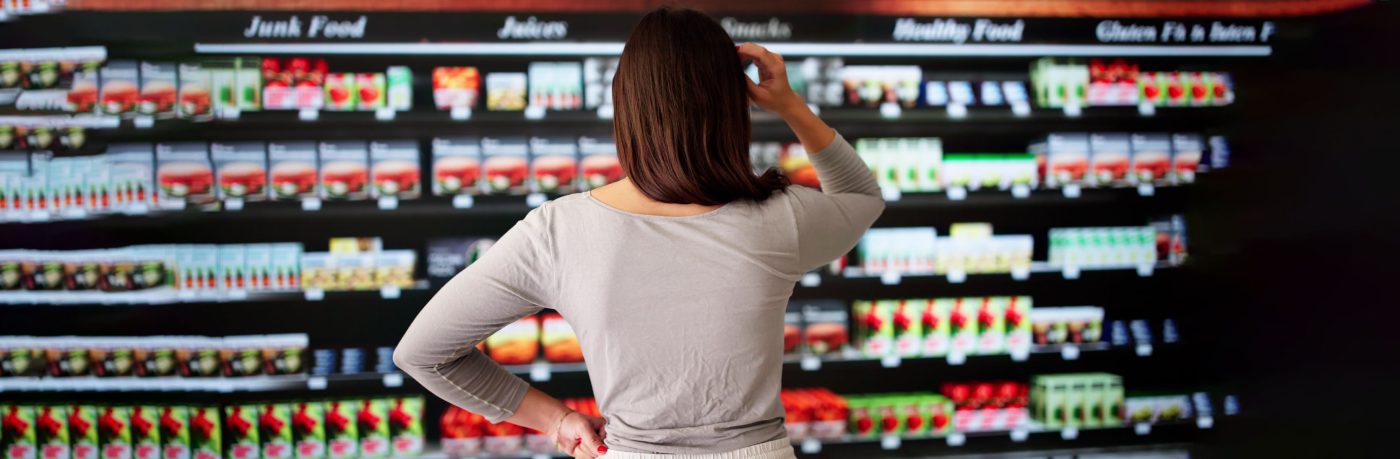
A recent study from Standards Australia revealed that 82% of Australians know that overseas/discount retailers may be selling products not meeting local standards. Even so, 68% of consumers purchased them anyway due to price pressures.
The same study found that the growing cost-of-living have made two-thirds (65%) of consumers, particularly younger demographics, more inclined to buy cheaper, potentially unsafe items. These commonly include electronics with faulty Lithium-Ion batteries and toys with unsecured button batteries, which pose fire risks.
Rising costs have increased the demand for counterfeit products, such as cosmetics, which can contain dangerous, untested ingredients.
Rising food costs are also forcing families to reduce the quality and safety of their food. In 2023, hunger relief charity, Foodbank, found that 77% of Australian households experienced food insecurity for the first time.
The housing crisis has also driven people to living in unsafe, substandard, or unauthorised housing solutions.
The trend towards cheaper products may be saving people money in the short-term, but it is also contributing to a rise in risks and injuries. In the United States alone, unsafe products have been found to contribute to 43,000 deaths and 40 million injuries per year.
How can Accreditation Help?
In this type of environment, accreditation plays an important role in stopping unsafe products. It provides an independent, expert, and trustworthy verification that products, services, and testing laboratories meet defined safety standards.
Accreditation also acts as a gatekeeper in the supply chain, ensuring that only goods that have been rigorously evaluated for safety and quality reach consumers, thereby reducing the risk of injuries and death.
Learn more about the benefits of accreditation and how it keeps you safe here