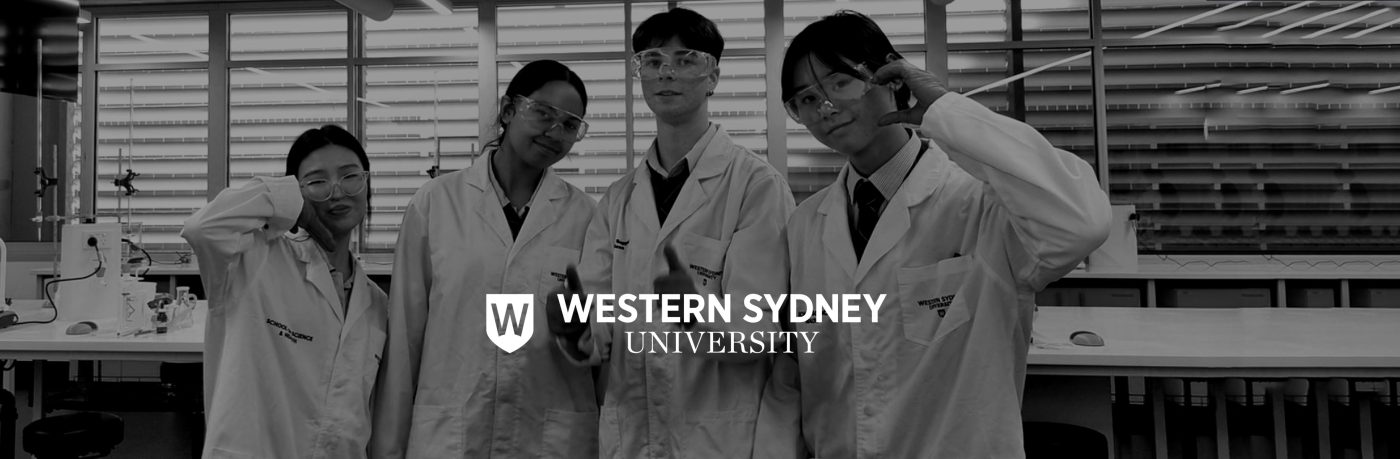
To better prepare students for careers in accredited lab environments, Western Sydney University’s (WSU) science programs, such as Forensic Science, Chemistry, Environmental Health, Microbiology, and Food Science, embed laboratory quality content into the coursework. This includes several modules that introduce the importance of accreditation and explain NATA’s guidelines.
This commitment to making graduates job-ready and familiar with industry standards is made possible through a 36-year collaboration with NATA. This is how WSU and NATA work together to ensure students graduate ready for work in regulated and accredited environments.
Integrating NATA Principles into Teaching
A subject for final year School of Science students is Laboratory Quality Management (LQM). This subject is core to forensic science and chemistry, and an elective for students of other courses, such as food science and environmental health science.
The purpose of LQM, which was developed in collaborations with NATA, is to prepare students for a career in accredited laboratories by embedding practical knowledge of ISO 17025, documentation standards, method validations, and quality systems.
To help students better understand how a standard like ISO/IEC 17025 is applied in the real world, a mock NATA assessment happens in week 13. A NATA assessor is invited to provide feedback to students about their documentations, lab quality manual, procedure manuals, and any appendices they have.
Students are asked by a visiting NATA assessor to run their instrumentations to validate result and show documentation, such as the quality manual, that they have developed. They are also asked to run some method tests, such as analysis of carbon in moisturiser creams, determination of caffeine concentrations in caffeine samples, or determination of heavy metals in water.
Students must also reply to the feedback by the assessor, same as they would in the real world. 50% of the mark is from the NATA assessment and the student’s contribution to a quality manual, and the remaining 50% of the mark is from individual contributions to the success of the group.
At the end, students who successfully pass the mock assessment receive a certificate acknowledging completion of a NATA-aligned assessment. It is not just a nice souvenir to have to have of the mock assessment – students can also use it in job applications to stand out to employers.
Over Three Decades of Collaboration
This collaboration between WSU and NATA has been in place since 1990. Since then, many current and retired academic and NATA staff have been involved in the success of this partnership.
From NATA, many staff have volunteered their time over the years to run the mock assessments. They have also been invited to present guest lectures and provide mentorship.
NATA staff have also collaborated on the design of curriculum that introduce accreditation frameworks, such as ISO standards. WSU already has two new subjects, Practicum 1 and 2, to provide students with extra opportunities to work on industry-based projects to gain hands-on experience and develop essential employability skills.
There continue to be opportunities to co-design content, enhance joint outreach, and strengthen visibility of accreditation. These ongoing initiatives will benefit both students and industry through improved workforce preparedness and stronger professional alignment.
NATA’s partnership with WSU is one example of how two organisations are working together to create a future-ready workforce. By learning about accreditation while still at university, students not only become well-versed in standards, but they will also be well prepared for the requirements of a NATA assessment when assessors one day visit their future laboratory of employment.