
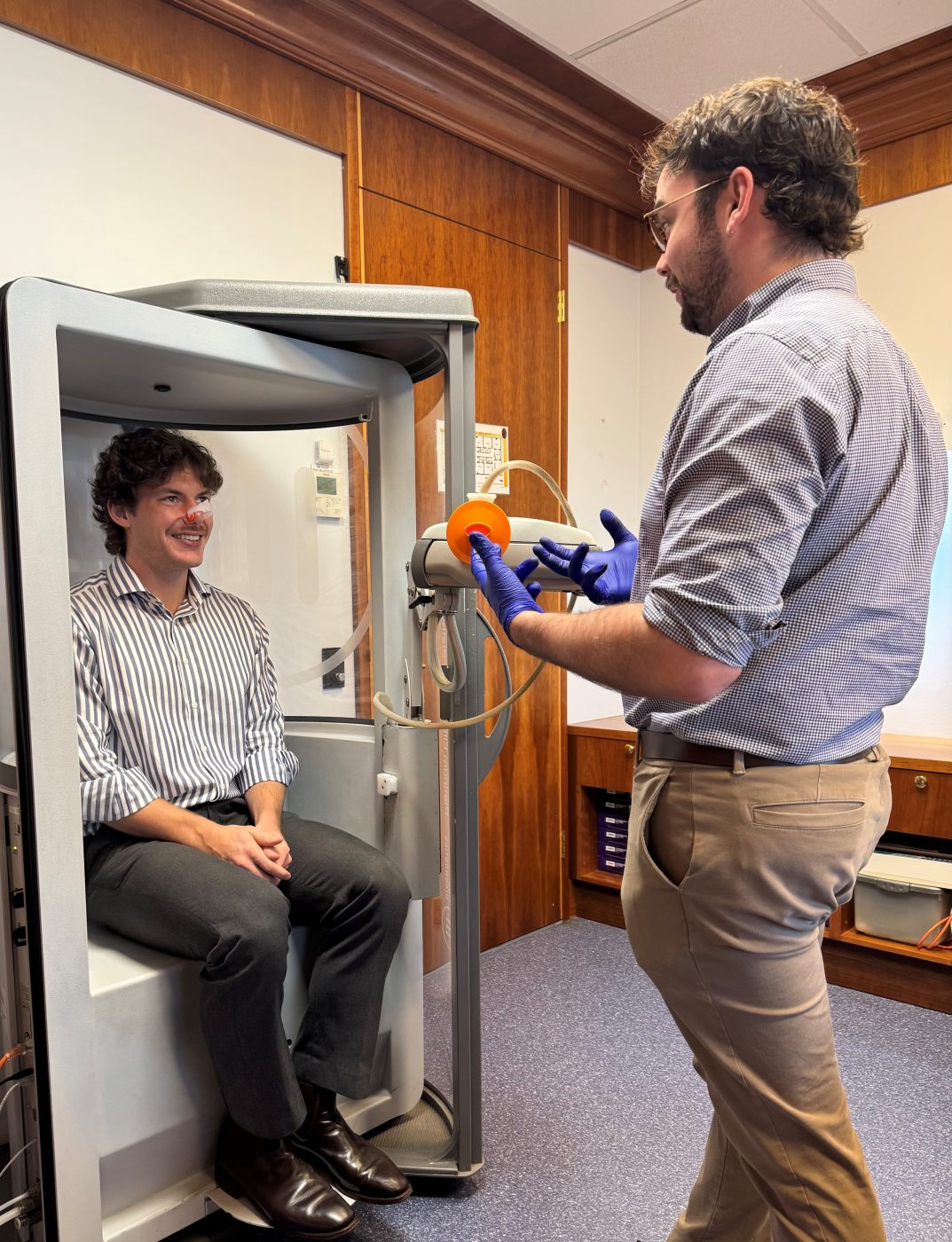
Twelve months after becoming the first laboratory in Australia accredited under the TSANZ/NATA Respiratory Function Laboratory Accreditation Program, Thoracic and Sleep Group Queensland (TSGQ) is seeing first hand how accreditation continues to shape and strengthen its service.
For Dr Andrew Scott and his team at The Wesley Hospital, accreditation has done more than formalise requirements, it has brought clarity, structure and consistency to daily practice. Over the past year, standardised processes have been embedded across the laboratory, from equipment calibration and quality control to documentation and reporting, creating a more cohesive and reliable service.
Accreditation has also provided a clear benchmark against national best practice. This has prompted a closer look at workflows, helping the team identify opportunities for improvement and refine how work is done. Importantly, it has reinforced a shared understanding across the laboratory not just of how tasks are performed, but why each step is critical to delivering accurate, defensible results.
These changes are being noticed beyond the laboratory. Feedback from referring clinicians points to increased confidence in the reliability and accuracy of TSGQ’s results, particularly in complex cases where respiratory function testing plays a key role in diagnosis and treatment decisions. This includes areas such as occupational lung disease and chronic obstructive pulmonary disease (COPD), where trust in results is essential.
Accreditation has also influenced team culture. Over the past year, engagement with quality systems has grown, alongside a stronger sense of accountability and ownership across the laboratory. Rather than being seen as a one‑off milestone, accreditation is viewed as an ongoing commitment that underpins how the service operates every day.
The ongoing NATA assessment process has reinforced this mindset. Regular external review helps maintain consistency, while assessor feedback provides practical insights to support continuous improvement. Activities such as documentation and procedure review are now part of routine practice, not periodic compliance exercises.
Reflecting on their journey, TSGQ encourages other laboratories to see accreditation as an opportunity to strengthen their service. Early team involvement and a willingness to identify gaps are critical. While the process requires time and commitment, the payoff is a service that patients and clinicians can rely on with confidence.
One year on, TSGQ’s experience shows that accreditation is not just about meeting a standard it’s about embedding quality, consistency and continuous improvement into everyday care.
Learn more here