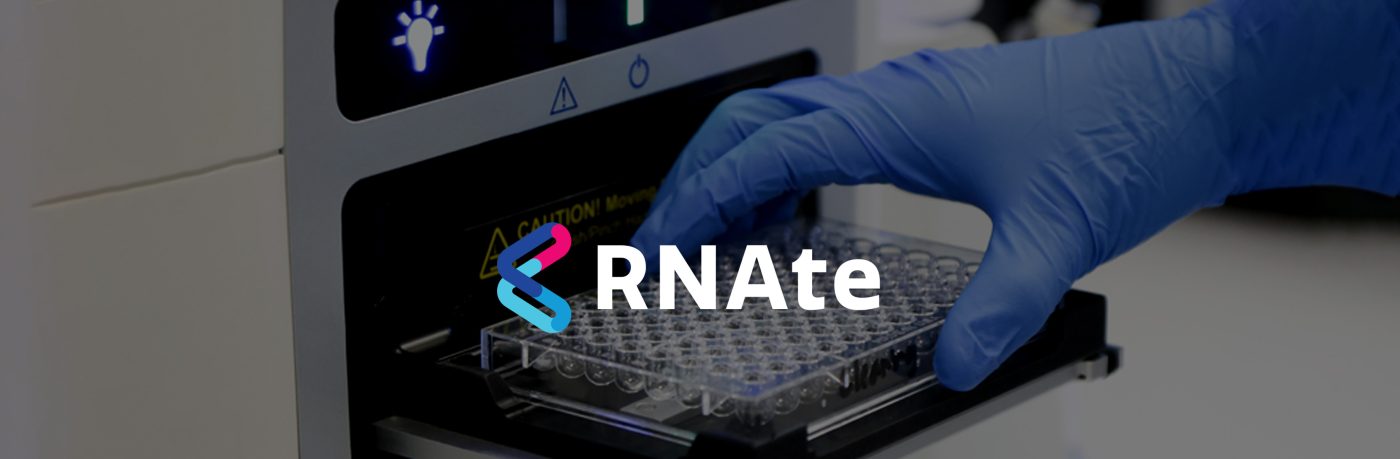
The Hudson Institute of Medical Research leads world-class research into the innate immune response, including inflammation triggered by RNA. To accelerate the development of emerging RNA technologies, Hudson established RNAte – a specialised screening and analytical platform that evaluates the inflammatory side effects of new RNA modalities.
Recently joining NATA as a new member, RNAte is Australia’s only NATA-accredited (ISO/IEC 17025) and Good Clinical Laboratory Practice (GCLP) certified facility for innate immune testing and RNA product validation. RNAte has established technical competence, rigour and quality systems for conducting validation studies, assay qualification, and regulated sample testing.
Enabling innovation in RNA
RNAte provides validated and quality-controlled analytical services that supports discovery, optimisation, and translation of RNA-based therapeutics and vaccines while ensuring the accuracy, reliability, and reproducibility of data. RNAte can support and enable academic and industry partners to advance their RNA innovations efficiently and safely – from early-stage research to clinical programs.
A key area of RNAte’s expertise lies in innate immune profiling of biologics by assessing how RNA formulations interact with the innate immune system. RNAte ensures therapeutic candidates achieve optimal immune synergy, reduce potentially adverse immune effects, and enhance efficacy.
Initial seed funding for RNAte was provided by mRNA Victoria and the Medical Research Future Fund (MRFF) National Critical Research Infrastructure scheme, reflecting strong national support for Australia’s growing RNA ecosystem.
Towards the highest standards
At the outset, RNAte recognised the importance of operating to the highest international laboratory standards. The decision to pursue NATA accreditation was made early in the platform’s establishment to demonstrate technical competence, consistency, and quality assurance aligned with commercial expectations.
Accreditation supports the utilisation of its highly reproducible, sensitive, and accurate assays to inform clinical evaluation. Accreditation also supports RNAte’s role as a Contract Research Organisation (CRO) capable of conducting validation studies, assay qualification, and clinical trial sample testing within regulated environments.
The value and impact of accreditation
Accreditation has strengthened RNAte’s quality culture, staff capability, and operational rigour, providing clients with confidence that every result is reliable, reproducible, and regulator-ready. It positions RNAte to operate as a leading CRO, supporting clinical trials and collaborative validation studies with both industry and academic partners.
“Achieving NATA accreditation represents a significant milestone for RNAte and for the future of RNA therapeutics in Australia,” said Professor Elizabeth Hartland AM FAHMS, Founder and CEO of RNAte. “NATA accreditation ensures that our facility can support the next generation of RNA-based therapeutics and vaccines to the highest global standards, bridging the gap between research and clinical translation.”
A strategic investment
RNAte’s advice to others considering accreditation is to view it as a strategic investment in quality and credibility, not just a compliance milestone. Success depends on strategic planning, robust documentation, and a strong quality culture that empowers staff to deliver excellence.
With NATA accreditation now achieved, RNAte continues to set the benchmark for quality, excellence, and innovation in RNA technology, driving Australia’s position at the forefront of the global RNA revolution.
NATA welcomes RNAte as a new member and looks forward to its research into RNA technology. Learn more about the organisation and its work here.